Introduction
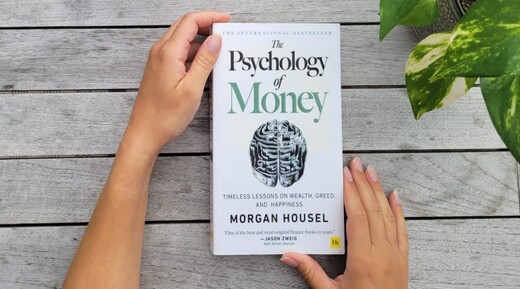
In today's world, money is an essential part of our lives. It can provide us with a comfortable lifestyle, financial freedom, and even happiness. However, many people struggle to accumulate wealth and become financially successful. The Psychology of Money, a book written by Morgan Housel, explores the psychological and behavioural aspects of money and how it affects our decisions and actions.
The Key Points of The Psychology of Money
The book focuses on the psychology behind money, including our attitudes towards it and how it influences our decision-making process. One of the key points the book emphasizes is that financial success is not solely based on intelligence, hard work, or luck. It is about making the right decisions and having the right mindset.
Another important concept explored in the book is the power of compounding. Housel explains that even small savings or investments can lead to significant wealth accumulation over time. He emphasizes the importance of long-term thinking and avoiding short-term thinking, which can lead to impulsive decisions and financial mistakes.
The Psychology of Money also delves into the idea that money is not just about numbers and financial statements. It is also about emotions, relationships, and life experiences. Housel argues that our perception of money is shaped by our upbringing, culture, and social environment. He suggests that understanding our relationship with money and its emotional aspects can help us make better financial decisions and lead a more fulfilling life.
Certainly Here are some additional key points from The Psychology of Money:
- Housel stressed upon the importance of understanding the contribution of luck in financial success. He argues that luck plays a much larger role than most people realize, and that recognizing this can help us make better financial decisions.
- The book also explores the concept of financial freedom, which Housel defines as having enough money to sustain your lifestyle without having to work. He explains that achieving financial freedom is not just about accumulating wealth, but also about reducing expenses and living within your means.
- Another important theme in the book is the idea of avoiding financial disasters. Housel provides numerous examples of individuals and businesses that made disastrous financial decisions, highlighting the importance of risk management and avoiding overconfidence.
- The Psychology of Money also challenges common beliefs about wealth and happiness. Housel argues that while money can certainly make us more comfortable and provides us with opportunities it is not a guarantee of happiness. He suggests that true happiness comes from relationships, experiences, and personal fulfillment.
- Finally, the book emphasizes the importance of developing a long-term mindset when it comes to finances. Housel suggests that instead of trying to get rich quick, we should focus on making consistent, sustainable decisions that will lead to long-term wealth accumulation.
Overall, The Psychology of Money offers a wealth of insights and advice on how to develop the right mindset and make better financial decisions. By exploring the psychological and emotional aspects of money, Housel provides readers with a unique and valuable perspective on wealth and personal finance.
Why The Psychology of Money Received Such Great Appreciation in the World
The Psychology of Money has received widespread praise from both readers and experts in the financial industry. One reason for its popularity is the author's ability to explain complex financial concepts in simple and relatable terms. Housel uses real-life examples and anecdotes to illustrate his points, making it easy for readers to understand and apply the book's principles.
The book also offers a unique perspective on money and wealth accumulation. Instead of focusing solely on investment strategies and financial techniques, Housel explores the psychological and behavioral aspects of money, providing readers with a new way of thinking about money and wealth.
Moreover, The Psychology of Money is not just a guide to accumulating wealth. It is a book that offers valuable life lessons and insights into how we can live a more meaningful and fulfilling life. By emphasizing the importance of relationships, experiences, and personal values, the book encourages readers to rethink their relationship with money and their priorities in life.
Conclusion
Furthermore, The Psychology of Money is not only a valuable resource for individuals looking to improve their personal finances but also for businesses and organizations seeking to better understand the role of psychology in consumer behavior and financial decision-making. The book's insights into the importance of emotions, biases, and social norms in financial decision-making can help businesses develop more effective marketing strategies, better understand their customers, and make more informed investment decisions.
Moreover, The Psychology of Money's popularity and critical acclaim is a testament to its value and relevance in today's society. As more and more people struggle with financial insecurity and uncertainty, Housel's message of personal responsibility, risk management, and long-term thinking offers a much-needed antidote to the get-rich-quick mentality that pervades our culture. By emphasizing the importance of developing a healthy relationship with money and avoiding common financial pitfalls, Housel provides readers with the tools and insights they need to achieve financial security and stability.
Finally, it is worth noting that The Psychology of Money's success is not just due to its practical advice and insights, but also to Housel's engaging writing style and storytelling abilities. Through a combination of personal anecdotes, historical examples, and pop culture references, Housel manages to make a potentially dry topic both entertaining and informative. His ability to distill complex concepts into simple, easy-to-understand terms makes the book accessible to readers of all backgrounds and experience levels.
In conclusion, The Psychology of Money is an essential read for anyone looking to improve their personal finances, better understand consumer behavior, or gain a deeper appreciation for the psychology of wealth. Housel's insights into the role of luck, risk management, and a long-term mindset, as well as his emphasis on the importance of relationships, experiences, and personal fulfillment, offers practical advice and a refreshing perspective on wealth and happiness. As such, The Psychology of Money is sure to remain a classic in the field of personal finance for years to come, and its lessons will continue to be relevant and valuable for readers of all backgrounds and ages.,